
Top Websites to Sell Handmade Goods Online
Last fall, I was sitting at my kitchen table surrounded by a pile of my wife’s latest batch of handmade polymer clay earrings. She’d been making them for friends and family for years, and people kept asking where they could buy more. “Why not sell them online?” I suggested. Big mistake, or so it felt at first. We jumped in without a plan, listed a few things, and watched crickets for weeks. Fees ate into tiny profits, traffic was nowhere to be found, and I spent way too many late nights tweaking photos on my old laptop.
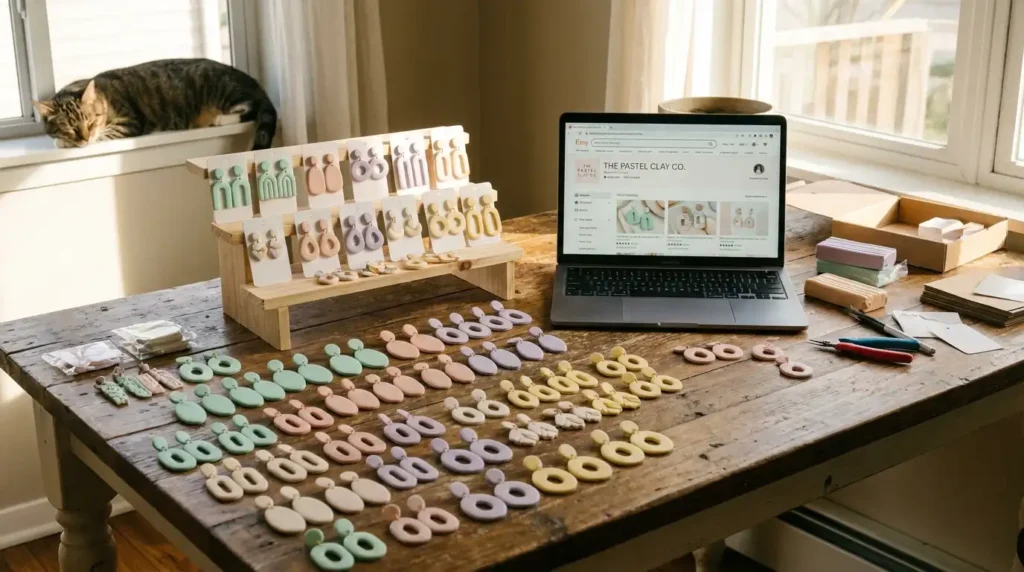
But we stuck with it, learned some hard lessons, and by early 2026, we’d turned a side hustle into something that actually brings in decent money on the side. If you’re a maker thinking about selling your creations online, I’ve been there. Here’s what actually works right now, based on what I’ve seen and tried myself.
Why Selling Handmade Online Feels Harder Than It Should
Handmade stuff has soul that mass-produced items just don’t. Customers want that story, the slight imperfections, the “made with love” vibe. But the internet is noisy. In 2025-2026, platforms are flooded with everything from true artisans to resellers and AI-generated junk. Standing out takes real effort.
I remember our first Etsy listing flop. Gorgeous photos (or so I thought), detailed description, competitive price, zero sales for a month. Turns out, the algorithm didn’t love us yet, and we hadn’t optimized a thing. Lesson one: treat this like a real business from day one, not just uploading pretty pictures.
Etsy: Still the Big Player, But Know the Reality
Etsy remains the go-to spot for most handmade sellers in 2026, and for good reason. Millions of buyers actively search for unique, one-of-a-kind items there. I’ve seen friends clear a few thousand a month during holiday seasons with jewelry, custom signs, and knitted goods.
Real talk on fees: As of mid-2026, you’re looking at $0.20 per listing (renews every four months), about a 6.5% transaction fee, plus payment processing (around 3% + $0.25 for most folks), and those offsite ad fees if you scale up. A $40 sale can easily lose $8-10 to Etsy. It adds up fast.
What worked for us: We focused on evergreen items plus seasonal twists—personalized ornaments sold like crazy around Christmas 2025. Use Etsy’s search bar to spy on successful listings—copy their keyword style but make your descriptions your own. High-quality photos from multiple angles (I use my iPhone 16 with natural window light) made a huge difference.
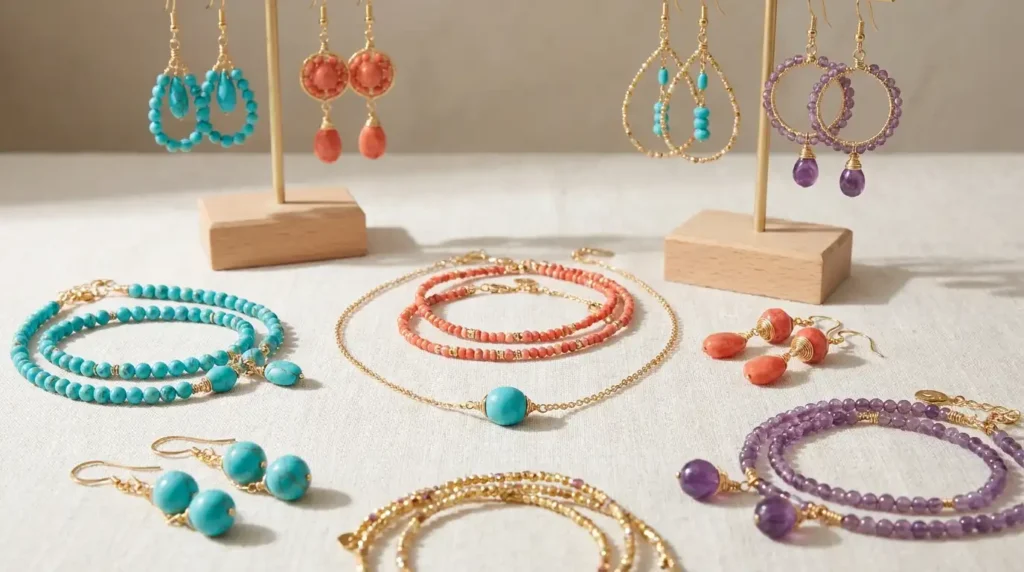
Pro tip: Drive your own traffic. Share on Instagram and Pinterest, email past customers, or run small Facebook ads. Relying only on Etsy search is risky these days.
Common mistake I made: listing too few items. Shops with 50+ listings seem to get more love from the algorithm. Start small but build steadily.
Shopify: Your Own Store, Full Control
Once we had some Etsy sales and customer emails, we set up a Shopify store. Best decision we made.
Shopify isn’t a marketplace with built-in traffic like Etsy. You have to bring the people yourself, but you keep way more of the money. Basic plans start cheap, and it looks professional right away. We used one of their handmade-themed templates and had a site live in a weekend.
Why it shines for handmade items: Unlimited products, custom branding, easy integration with print-on-demand if you expand, and tools like abandoned cart emails. No one else controls your customer list.
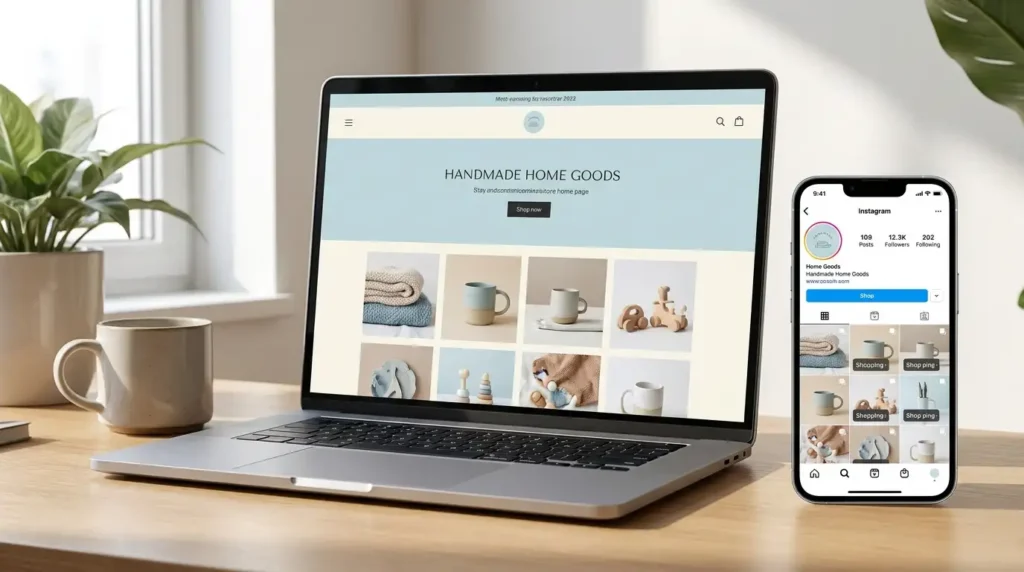
I pair it with Instagram Shopping and TikTok. One viral reel of my wife demonstrating how she makes the earrings brought in a bunch of direct sales. In 2026, social commerce is huge, with short videos showing your process building trust like nothing else.
Downside? You handle marketing. But once you own the traffic, repeat customers are gold. We now send monthly newsletters with new drops and behind-the-scenes stuff. Conversion rates on our own site are higher because people already know us.
Amazon Handmade: Scale, But It’s Competitive
Amazon Handmade is worth considering if you can get approved. The application process checks that your items are truly handmade, which keeps some quality control.
The reach is insane, Prime members everywhere. Fees are around 15% plus other costs, but the volume potential is there for popular items like home decor or accessories.
We tried it with a few batches of coasters. Got some sales, but competing with the Amazon algorithm and sponsored listings is tough for small makers. It’s better as a secondary channel once you have proven products.
TikTok Shop and Social Selling
This one surprised me the most in late 2025 into 2026. TikTok Shop lets you sell directly in the app, and the algorithm pushes creative content hard.
My wife started posting quick “day in the life” making videos. Nothing fancy, just real phone footage. One video hit 100k views and drove dozens of sales through the shop feature. No big upfront fees compared to traditional ads.
Instagram and Facebook Marketplace work similarly for local or direct sales. Facebook Marketplace is great for bigger items or testing locally without fees eating you alive.
Other Solid Options Worth Checking
- Big Cartel: Simple for artists and makers. Low or no monthly fees for small shops. Clean and focused on creatives.
- My Community Made: A smaller, US-focused platform with no transaction fees. It’s moderated for actual handmade/vintage items. Good for building community without the big platform headaches. Traffic is lower, but competition is too.
- Faire: More wholesale-focused if you want to sell to boutiques. Great for scaling production.
- Your own website (via Shopify or similar) plus email list: Long-term winner.
Avoid putting everything on one platform. We lost some momentum when Etsy traffic dipped one quarter, but our Shopify and social channels kept us going.
Step-by-Step: Getting Started Without Losing Your Mind
- Pick your products wisely. Start with 5-10 items you can make consistently. Test what sells by showing friends or posting on social first.
- Nail your visuals. Invest time (or a cheap ring light) in photos. Multiple angles, lifestyle shots, and close-ups. I edit lightly on my phone with Lightroom.

- Write as you talk. Descriptions should tell the story: materials, time spent, why it’s special. Use keywords naturally: “handmade polymer clay earrings, lightweight, and hypoallergenic.”
- Price smartly. Factor in materials, time, shipping, and platform fees. Add a buffer. We underpriced at first and regretted it.
- Set up payments and shipping. Etsy handles a lot, but on your own site, Stripe or similar is easy. Use USPS or Pirate Ship for affordable rates.
- Market consistently. Post daily on social media, engage in maker groups, and collaborate with similar creators. Build an email list from day one.
- Track everything. Use a simple spreadsheet or tools like Craftybase for inventory and costs. I wish I’d done this sooner; it would have saved us from overproducing slow movers.
Mistakes That Cost Us Time and Money
- Ignoring SEO on listings. Spend time researching search terms.
- Poor packaging. First impressions matter. Cute thank-you cards turned one-time buyers into fans.
- Not photographing real models or in use. Flat lays are okay, but context sells.
- Chasing every trend instead of building a cohesive brand. Our “signature style” earrings now outsell random experiments.
- Burning out. This is a marathon. Batch production and schedule social posts.
Unexpected win: International shipping opened up when we added it on Etsy. A customer in Germany loved our stuff; it made my day.
Real Examples from the Trenches
One maker friend focuses on wooden toys. She uses Shopify + Etsy and does craft fairs. Her Instagram Reels of kids playing with the toys drive most sales. Another does custom pet portraits digitally printed on good scales easily.
In 2026, personalization is still king. People pay more for “made for you.”

Building for the Long Haul
Treat your shop like a business. Set aside money for taxes (talking to an accountant saved us headaches). Keep learning: watch YouTube channels from other makers and join friendly Facebook groups.
The handmade community is supportive if you give value first. Share tips, not just sales pitches.
We’re not quitting day jobs yet, but the extra income funds better tools and family trips. It feels good to turn a hobby into something sustainable.
If you’re just starting, pick one platform (Etsy for traffic, Shopify for control), launch imperfectly, and iterate. Your first sale will hook you.
FAQ
1. Is Etsy still worth it in 2026? Yes, especially for beginners needing traffic. But calculate fees carefully and drive your own customers to stay profitable.
2. What are the biggest fees on Etsy right now? Listing $0.20, transaction ~6.5%, processing fees, and offsite ads. They can total 15-20%+ on some sales.
3. Can I sell on multiple platforms? Absolutely. Most successful makers do. Just manage inventory to avoid overselling.
4. How do I get approved for Amazon Handmade? Apply with proof that your items are handmade. It’s selective but worth it for volume.
5. What’s better: own website or marketplace? Marketplaces for discovery and your own site for margins and customer ownership. Use both.
6. How important are photos and videos? Critical. Bad photos kill sales. Good ones (and process videos) build trust and boost conversions.
7. Do I need a business license? Check your local laws. Many start as a hobby but register once sales grow for taxes and protection.
8. What handmade items sell best in 2026? Jewelry, personalized gifts, home decor, pet items, and digital downloads (low shipping hassle). Trends shift—watch social.
9. How do I handle shipping? Start with USPS. Offer free shipping thresholds to increase order value. Track everything.
10. What if I don’t get sales right away? Normal. Optimize listings, add more products, and promote consistently. It took us months to gain momentum. Analyze what’s not working and tweak.
11. Are there truly fee-free platforms? Options like My Community Made have no transaction fees, but expect lower traffic. Great supplement.
12. How do I stand out from resellers? Show your process, get great reviews, and emphasize the handmade story and quality.
Disclaimer
This article is based on my personal experiences and research as of mid-2026. Platform policies, fees, and algorithms change often; always check the latest directly on their sites. Selling online involves risks like competition, refunds, and taxes. I’m not a financial advisor; results vary. Do your own due diligence and consult professionals where needed. Happy making and selling!

Written by: Krunal,
Founder & Tech Writer at ToolsVila.online
I help people solve everyday tech problems with simple and practical guides. Over 6 years of hands-on experience with WordPress, Windows, Android & digital tools.